Safe Driving in Snow: Essential Techniques for UK Roads
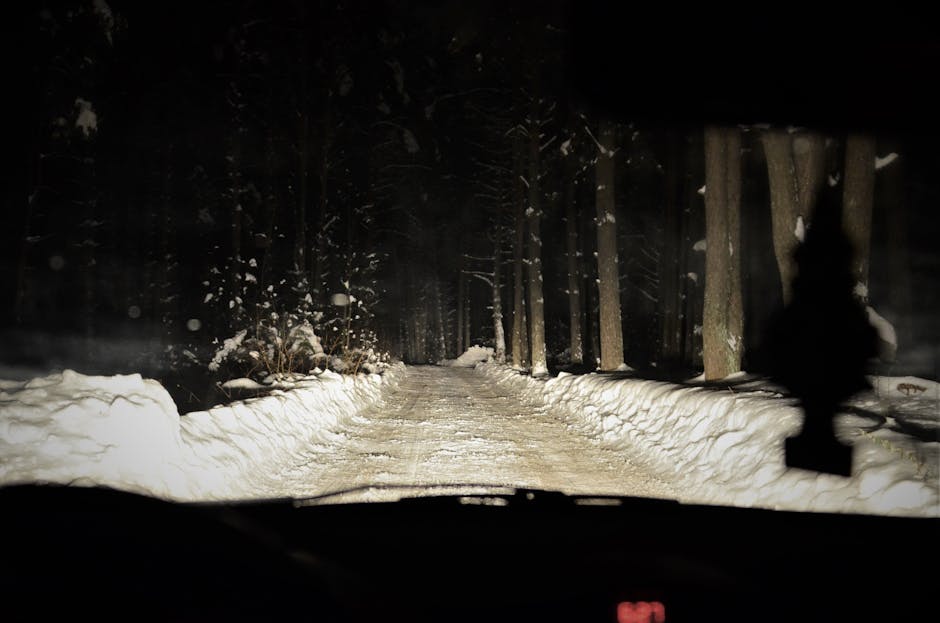
Snow transforms familiar UK roads into treacherous surfaces that demand different driving techniques and considerably more caution. Many drivers underestimate snow's impact on vehicle control, leading to accidents that are entirely preventable with proper preparation and technique.
Before winter arrives, ensure your vehicle is properly prepared. Winter tyres make a dramatic difference—they're not legally required in the UK, but they significantly improve grip in snow and ice compared to summer tyres. If you can't justify winter tyres, ensure your existing tyres have at least 3mm tread depth, and check battery condition, as batteries perform worse in cold weather.
When driving in snow, reduce speed substantially. This is the single most important rule. Your instinct might be to drive cautiously at 20 mph, but even this speed is too fast if conditions are severe. Adjust your speed so you can stop safely within the distance you can see ahead. On snowy roads, this often means crawling at 10-15 mph.
Increase following distances dramatically. In normal conditions, the two-second rule applies—maintain a two-second gap behind the car ahead. In snow, increase this to at least ten seconds. This gives you far more time to stop if the car ahead skids or brakes suddenly.
Acceleration and braking require particular care. Accelerate gently to avoid wheel spin, which reduces grip and can cause loss of control. Brake gently and in a straight line—avoid braking while turning, as this is a common cause of skids. If you feel your car skidding, remain calm, ease off the accelerator, and steer in the direction you want the front of the car to go.
Modern cars with ABS (anti-lock braking systems) change braking technique. With ABS, apply firm steady pressure rather than pumping the brake. The system handles pulsing automatically. If your car doesn't have ABS, gentle pumping of the brakes prevents wheel lock-up.
Hills present particular hazards. Build momentum before ascending snowy hills and avoid stopping mid-slope. If you do stop, starting again on a slope is difficult—you'll likely spin wheels without gaining traction. Descending requires extreme caution; use low gears and gentle braking to maintain control.
Bridges and elevated sections freeze before surrounding roads because cold air circulates underneath. Treat these areas with extra caution even when other roads are clear.
If you skid, don't panic. Ease off the accelerator, steer in the direction you want to go, and wait for the car to respond. Avoid sudden movements or heavy braking. Most skids are survivable if you remain calm and don't overcorrect.
Finally, consider whether your journey is necessary. UK infrastructure often grinds to a halt during heavy snow, and getting stranded is unpleasant and potentially dangerous. If conditions are severe, working from home or postponing travel is often the safest choice.