Snow Photography: Capturing Winter Beauty in the UK
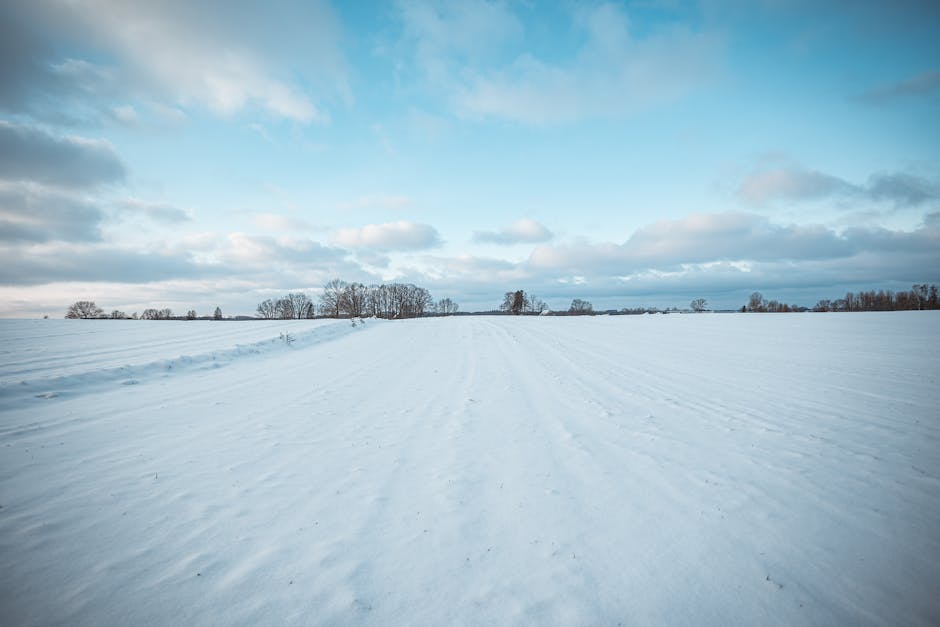
Snow transforms the British landscape into something magical, and photographing it well requires understanding how cameras handle bright, white conditions. Many people find their snow photos come out dull or underexposed, but with a few simple adjustments, you can capture the genuine beauty of snowy UK scenery.
The biggest challenge with snow photography is exposure. Your camera's light meter sees all that white and tries to reduce exposure, making your photos appear grey and underexposed. To compensate, use exposure compensation—increase it by 1 to 2 stops depending on how bright conditions are. Your camera's histogram becomes your friend here; if you're not familiar with it, learn to use it. It shows whether your image is properly exposed far more reliably than the back-of-camera preview.
Shooting in RAW format gives you far more flexibility in post-processing. Snow photos benefit significantly from RAW editing, where you can recover shadow detail and adjust white balance precisely. If your camera doesn't shoot RAW, set white balance to "cloudy" rather than "auto," as this prevents the camera from adding blue casts that make snow look cold and unpleasant.
Composition matters enormously in snow photography. Snow can dominate scenes, making them feel empty or unbalanced. Include foreground interest—a fence, tree, or person—to create depth and scale. The rule of thirds applies as strongly to snowy landscapes as any other subject. Avoid placing the horizon in the centre of your frame.
Contrast becomes crucial. Pure white snow against blue sky creates striking images, but overcast snowy days produce flat, featureless light. These conditions suit detail photography—close-ups of snow crystals, frost patterns, or trees laden with snow. On bright days, seek shadows and darker elements that create contrast with the white snow.
Time of day dramatically affects snow photography. Early morning and late afternoon golden light transforms snow into something warm and inviting, quite different from the harsh midday light. Fresh snow early morning, before footprints appear, offers pristine landscapes that disappear quickly.
Movement and action add interest. A person walking through deep snow, sledding children, or animals playing in snow create narrative and scale that static snowy landscapes sometimes lack. Include people to show how deep snow is and to add human interest.
Winter conditions present practical challenges. Cold drains batteries quickly—carry spares and keep them warm in an inside pocket. Protect your camera from moisture; condensation forms when bringing cold equipment into warm rooms. Allow equipment to warm gradually before opening camera bags.
Finally, respect private property and safety. Some of the most beautiful snowy scenes are on private land—always ask permission before photographing. Avoid photographing near roads where you might distract drivers or stand in dangerous positions.
The UK's varied landscape—mountains, moorlands, forests, and coastlines—all photograph beautifully under snow. Each location offers different opportunities, and exploring them throughout winter keeps photography fresh and rewarding.