When Snow is Bad News: Understanding Winter Weather Warnings
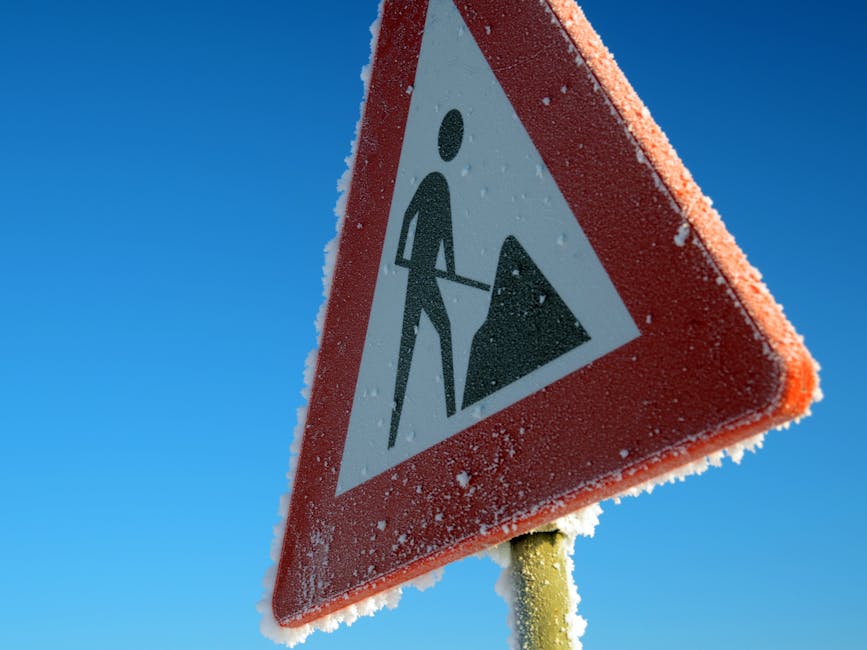
Not all snow is picturesque. Heavy snow, blizzards, and the chaos that follows can genuinely endanger lives and disrupt essential services. Understanding Met Office weather warnings helps you take appropriate action when conditions become dangerous rather than merely inconvenient.
The Met Office uses a colour-coded warning system that escalates with severity. Yellow warnings indicate weather that could cause minor disruption or is potentially dangerous for certain activities. Yellow snow warnings might mean difficult driving conditions or travel delays, but life isn't generally at immediate risk. However, they should still be taken seriously, particularly for vulnerable groups like elderly people or those with health conditions.
Amber warnings mean significant disruption is expected and the weather is dangerous. An amber snow warning indicates widespread disruption to travel, possible power cuts, and potentially dangerous conditions for most people. If an amber warning is issued for your area, consider whether your journey is essential. If you must travel, do so during daylight hours, inform someone of your route, and ensure your vehicle is properly equipped.
Red warnings are rare and indicate extreme weather where significant widespread damage and danger are expected. Red snow warnings have occurred in the UK but are genuinely exceptional. If a red warning is issued, avoid all unnecessary travel and ensure you have adequate supplies at home. Emergency services may become overwhelmed and unable to respond to non-emergency calls.
Beyond colour coding, the specific impacts mentioned in warnings matter greatly. A warning mentioning "20-30cm of snow" is straightforward, but warnings about "blizzard conditions" or "frequent heavy snow showers" indicate rapidly changing conditions that make travel particularly hazardous. Blizzards reduce visibility to dangerous levels and create rapidly shifting snow drifts that trap vehicles.
Wind chill is often mentioned in winter warnings. Snow accompanied by strong winds creates wind chill that can cause frostbite or hypothermia surprisingly quickly. A temperature of -5°C with 30 mph winds feels like -15°C or colder to exposed skin. These conditions are genuinely dangerous for anyone spending extended time outdoors.
Ice warnings are equally important as snow warnings. Sometimes ice forms without significant snow, particularly on bridges and elevated roads. Black ice—a thin transparent layer of ice that's nearly invisible—causes more accidents than heavy snow because drivers don't see it until they're skidding.
When warnings are issued, prepare proactively. Stock food, water, and medications—if you're snowed in, you might be stuck for several days. Charge phones and devices, fill vehicle fuel tanks before conditions deteriorate, and ensure heating systems work. If you have vulnerable neighbours, elderly relatives, or friends with disabilities, check on them during and after heavy snow.
Finally, trust the warnings. They're issued by meteorologists with expertise and access to detailed data. If the Met Office warns of dangerous conditions, treat it seriously. The safest journey is the one you don't make.